When you find the right dress for the right occasion; when you see yourself in the mirror and your shoulders feel more relaxed, it’s that magic feeling. The sensation that’s supposed to be achieved by a formal gown is just what the right one can bring and in 2026, the variety of formal gowns that can do this is more than extraordinary.
Formal dresses falls somewhere in between everyday fashion and a uniform dress code, and it’s more personal and emotional than in most categories of fashion. When you’re throwing a milestone celebration, serving as an important gala, planning an important family event, or planning a once-in-a-lifetime event, you want to look your very best – and that means your dress, because it will be part of the moment. It deserves care, thoughtful consideration and genuine excitement like the occasion deserves.
This guide will explore the 15 most beautiful, most versatile and most truly elegant formal dresses styles for 2026, and will break them down into each of the styling tricks and information you need to use to choose a look that’s perfect for you.
Understanding Formal Dress Codes Before You Shop
There is a lot to be said for understanding the meanings of the different terms of formal dress code in practice, before taking a look at any concrete styles, as the range of the term ‘formal’ is wider than most people would expect.
Typically, black tie requires floor length gowns, although more modern etiquette is increasingly allowing for beautiful cocktail length gowns in formal fabrics. A little more leeway is granted in formal or black tie optional—either floor-length or elegant midi or cocktail will do. Semi-formal or cocktail comes in elevated fabrics and knee-length or midi dresses. The most formal of all the floor length gowns is worn with white tie, and they are the most traditional and conservative of all the gowns.
Before you go on a shopping spree, you need to know the type of event you are going to, so you don’t look underdressed or even look like you’re wearing a suit that’s too much for the event.
Top 15 Formal Dresses for 2026
1. The Classic Column Gown
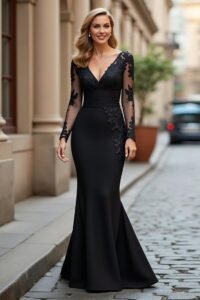
Heavy matte crepe or structured silk with a clean straight line down from shoulder to floor is the most formal of dress. When well-designed and crafted of quality materials, the column gown demands nothing more than good fit for maximum elegance; it will always seem impressive when it’s done well, and there’s no ornamentation to obscure.
A column gown is ideal for very formal events, and can be worn in deep black, rich navy or warm ivory – any of these colors will make your photo look timeless and never out-of-date.
2. The Strapless Ballgown
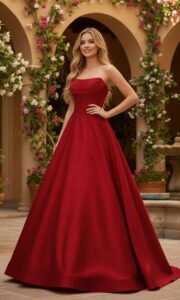
The strapless ballgown, complete with boned chests and full skirts, is the most obvious formal wear for times of supreme traditional formality and real drama. The volume of the skirt opens the door that fills any space and the strapless neckline frames the shoulders and collarbone in classic elegance.
A strapless ballgown is for full traditional scale and scope, galas, milestone events and most formal events that will not do without it.
3. The One-Shouldered Drape Gown
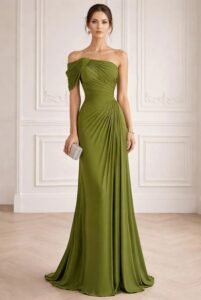
A one shoulder neckline is a deliberate change of symmetry in formal attire, which is visually interesting, artistically thought out and of course more contemporary than symmetrical necklines. In this way, the asymmetry is softened with draped silk or chiffon, making it a more fluid and romantic design, rather than a sharp architectural one.
This is the style for very formal events that demand elegance coupled with a contemporary perspective on fashion — the kind of event where you want to pay tribute to the formality of the event, but want to have a clear and current opinion on fashion.
4. Velvet long length gowns
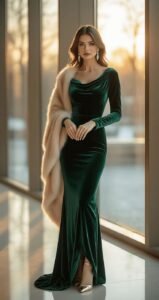
The velvet’s light-absorbing qualities give it a richness of color for formal wear which is unmatched by any other fabric. Velvet gowns are always chic and sexy, especially for fall and winter weddings, and offer a dramatic look in a floor length gown (either fitted from the waist, or designed as a long column from bust to skirt) with a flowing skirt, or with a clean look if it’s fitted through the bodice.
Velvet gowns look great in jewel colours such as emerald, sapphire, deep plum and rich burgundy, and offer a memorable, out-of-the-ordinary look that is truly impactful, as they tend to be more understated than satin and chiffon gowns.
5. The Mermaid Silhouette with Train
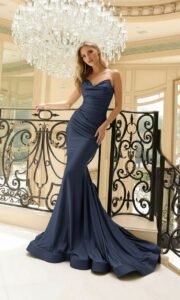
Weared through the upper thigh, hips and bust, the mermaid is one of the most figure-hugging and eye-catching formal dresses to choose from, and is flaring open out at the knees. Enhancing the silhouette through the figure, the close fit through the body and the dramatic flare and train give movement and drama with every step.
This style demands that movement be deliberate and confident – and fabrics with some structure, such as heavy crepe, quality beaded lace or structured satin are ideal.
6. The Lace Overlay Midi
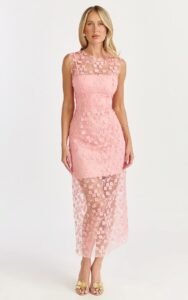
When there’s a little less formality called for, a midi-length dress that is topped with a lace overlay and done on a slip base is an elegant middle ground that maintains the formality of the event while also providing versatility in function. The lace texture is rich with beauty and romance and it doesn’t need any embellishment.
Black or deep wine ivory lace over midi suits are perfectly suited to a formal dinner, milestone celebration, or semi-formal gala, and its shorter length makes it much easier to get through an evening of standing, dancing and socializing.
7. The Beaded Cocktail-Length Dress
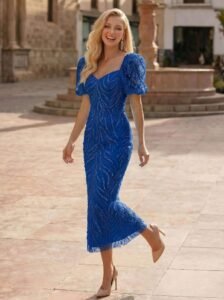
A fully or partially beaded cocktail length dress adds to the glitter and opulence of an entire length gown in a shorter, more functional design. At a relatively simple length, the beading constantly catch the light, giving a sense of occasion and celebration to the dress.
The full gown is a formal dress in which high-end beading still pays tribute to the importance of the dress, a “semi-formal” or “cocktail” dress might seem too formal, but the special shine of beading remains.
8. Off-Shoulder Satin Gown
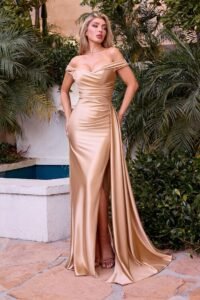
This off-shoulder neckline on a long satin gown evokes a romantic and classically beautiful look with alluring collar bone and shoulder lines and the draping and flow of the satin elaborately flow through the rest of the gown. This blend will give your storybook quality for the most important, most celebratory formal events.
An off shoulder satin gown is one of the most romantic of all formal silhouettes for important occasions, and looks great in champagne, blush or deep jewel shades.
9. The Cape-Back Gown
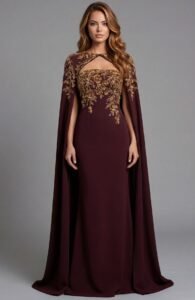
The formal gown with its attached or detachable cape (shoulder cape or dramatic floor sweep) adds dramatic movement and visual interest to a any gown that few other structural pieces can add. The cape gives the room dimension and movement over the silhouette, but doesn’t add weight to the body, making the entrance really stand out.
If you’re looking for an alternative dress that’s as impactful as a traditional ballgown skirt, but has a far more modern silhouette, you may want to consider a cape-back gown.
10. The Tailored Jumpsuit
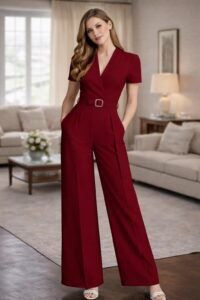
The wide leg, designed formal-fabric jumpsuit – which is cut to the same standard and quality as a gown – has emerged as one of the most intriguing and most stylish alternatives to the formal look. It exudes assurance and self-assuredness, without sacrificing formality, when done with the correct fabric and cut.
A tailored formal jumpsuit comes in black, ivory or a deep jewel colour, and is ideal for the modern dresser who desires to pay tribute to the importance of a specific event while also providing a personal aesthetic point of view.
11. The Embellished Bodice with Flowing Skirt
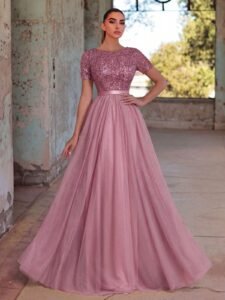
A formal dress that “hamers” – or embroiders, crystalizes – the beadwork or appliqué work in the bodice, while the skirt is more simple, flowing and in a different fabric, is a dress design that draws the eye to the point that should be emphasized: the face, neckline and upper body.
This method enables a more considered and formal dress that is not just over embellished from head to toe but rather can be embellished and crafted with the objective of bringing a touch of elegance and grace to the overall silhouette.
12. Sheer Overlay Gown
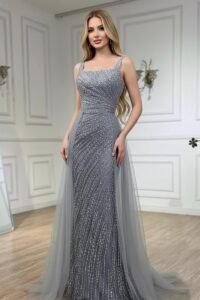
A formal gown with a sheer overlay (either a sheer chiffon, tulle or organza) over a structured or slip style gown adds dimension and a romantic quality to the design that solid fabric can’t. There’s a soft glow from the sheer layers that makes for a sublime light that photographs wonderfully under formal event lighting.
Sheer overlays that are embellished with beading or sequins scattered through the clear fabric are especially interesting because it makes the bead and sequins appear to be floating in the fabric, not just in the clear fabric.
13. The Bold Color Statement Gown
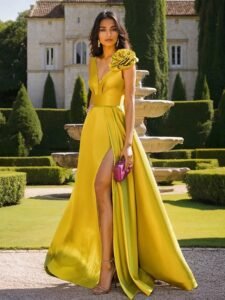
Although black, navy and deep jewel tones are the most accepted colors for formal wear, a floor-length gown in an eye-catching saturated hue, such as a saturated cobalt, deep emerald, rich coral, or strong burgundy is a presence at formal events that a more traditional hue simply can’t be. The boldness of the colour takes the main role in the design and doesn’t need any other decoration to make a statement.
This is for the well-dressed woman who wants to be remembered in a particular dress – the one in the unforgettable green gown, the striking cobalt dress, the one whose color alone made the evening’s photographs unforgettable.
14. Sculptural Pleated Gown
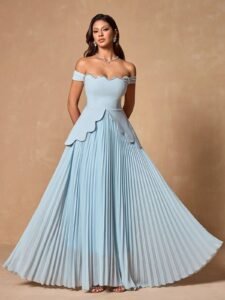
Whether it is in the way the pleats themselves are arranged, with the pleats themselves being accordioned all the way down the skirt, gathered at the bodice in an asymmetrical manner, or arranged in intentional geometric patterns, the structured pleating creates a dress that has an architectural, conceptual quality and focuses on construction and form rather than on surface decoration. The pleating itself is the design element; reflecting light in unique ways with each fold and action.
For technical fabrics or heavy silk, a sculptural pleated gown is definitely a high fashion gown, and is good for more formal events where you want to have a gown that will tell that you have an appreciation for design.
15. The Wrap Gown
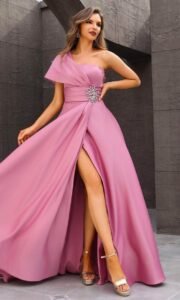
This wrap over formal gown is flattering and adjustable at the waist, and is a true formal gown with elegance. The adaptable design can be used in many body sizes; the flowing fabric adds movement and grace throughout the formal evening.
A wrap gown in heavyweight crepe or satin-backed fabric really creates a fluid, easy-to-wear, style that has made it one of the most popular formal gowns for women to wear to a party that offers comfort as well as style.
How to Choose the Right Formal Dress for Your Occasion
Finding the perfect one of these splendid selections becomes much simpler to do with some helpful guidelines:
- Read all of the dress code. There are several different types of length and degree of formality: “black tie,” “formal” and “cocktail attire” are all different. If there’s some ambiguity around the invitation, simply ask the host and you’re good without any awkwardness.
- Take into account the event and time of year. For autumn/winter – formal occasions – use velvets and structured fabrics, lighter chiffon, silk and satin – for spring/summer occasions. A ballgown requires room to move around in, and if the gown is fitted to a mermaid, it requires a smoother surface on which it will glide.
- Consider what is comfortable over the whole event. Formal events typically involve spending hours on ceremony, dinner, dancing, photo ops and more. Consider a silhouette and fabric that will look great and be comfortable from the first hour to the last.
- Budget for alterations. The best-sketched out formal attire doesn’t always fit like a glove. Take into account the costs and time it will take to change the factors.
Styling Tips to Complete Your Formal Look
The dress is the base, but all the formal attire details must be taken care of:
- Shoes: Sandals with a flat or low heel that have straps are an ideal fit for many formal gowns, and this style can be in a variety of colors. If you’re looking for a more clean-cut, put-together look, then pointed-toe pumps are the way to go.
- Jewelry: Make sure it is a single focal point, whether it’s statement earrings or a statement necklace, but not both at the same time.
- Hair & Makeup: An updo or blowout is suitable for the seriousness of the event. Makeup must look good in any type of event lighting, whether it’s natural or artificial.
- Outerwear: One can wear a wrap, shawl, or even a fancy coat in matching material for the outerwear, which will keep them warm without spoiling their elegance.
Final Thoughts
The right formal dresses have the power to really make an event a memorable experience for you — to make you feel it 100% as you are, and feel confident and fully you. From a column gown, which embodies a formal and elegant simplicity, to a cape-back gown, which echoes the dramatic stage, from lace overlay, which evokes a romantic aesthetic, to a tailored jumpsuit, which exudes contemporary confidence; the 15 styles in this guide cover the entire range of formal beauty in 2026.
Don’t rush, and make sure you find the right dress for you and the event. When it feels like the right thing to do, go with your gut. Then dress up in the outfit you’ve picked out and dress up completely in that outfit and use it all the time in that manner until you go to the formal event.
The most genuine of all the elegancies is that confidence.
A list of frequently asked questions about formal dresses
Q1. What is the difference between formal and semi formal dress code?
For formal events, such as black tie or white tie, it is customary to wear floor-length gowns, although increasingly, in formal fabrics, elegant cocktail or midi-length gowns are allowed for black tie events. Semi-formal (occasionally referred to as cocktail attire) requires knee length to midi dresses in elevated fabrics such as satin, chiffon or quality crepe and floor length is not mandatory and may sometimes be over-dressed. The main differences in addition to length are the quality of materials, decoration and general neatness. If you are really not sure what type it is, it is best to ask the host or look at past events of similar nature that have taken place at the same event.
Q2. When is a good time to purchase a formal gown for a big event?
If you are looking for a formal event, you may want to start your search 3-6 months ahead of time, which will give you more time to make changes if necessary or if you are thinking about a made to order or custom option. This time-frame will give you the opportunity to experiment with various styles, return products that don’t fit right, and book alteration appointments without the pressure of time. If you have a shorter lead-time, a lot of formal dress retailers supply rush shipping and expedient alteration solutions, permitting you to acquire a stunning gown in the matter of couple of weeks. The big trouble with shopping a little too near the event is that popular styles and sizes will be sold out during peak seasons of formality such as prom, wedding season and holidays.
Q3. What is the ideal dress silhouette for all bodies?
Both the A-line and wrap silhouettes are frequently recommended for all body types as they both define the waist, but can be worn in a variety of lengths and shapes due to the flowing or adjustable nature of both. Column gowns are most flattering on figures that are straight, and have a more balanced shape. For a more pronounced hip-to-waist ratio, the mermaid and fit-and-flare cuts will look flattering as the fitted bodice will conform to the curves already present in the body. Those that want to give their waist and midriff less attention will love empire waist gowns because they feature a seam just below the bust and a flowing skirt. The best general guideline is to try on several styles in person as they do not fit everybody the same way and fit is very important.
Q4. May I wear the same Business dress to more than one function?
Yes, and it’s not a fashion faux pas to do so, but a growing trend. A formal dress is a pretty, quality piece of clothing, and should be worn as often as possible, for as it is a big investment it should be worn for a long time. Make different looks for each event and use different jewelry, shoes and any other layers to make a different overall impression, but the same basic garment. If you’re a bit worried about re-appearing in pictures, add a different necklace, a different shoe color, a new wrap, a new jacket, and it makes a tremendous difference and does not necessitate a complete change of dress.
Q5. What are the tips for looking after a formal wear so that it will remain stunning for later events?
Taking care of the dress starts right after wearing it: hang it on a padded hanger and give it a full airing out before storing it so that any moisture trapped in can be detrimental to fragile fabrics. Silk, velvet, beaded fabric and dresses that have any structural boning on them should be dry cleaned in a professional facility, and not washed in the home. If a spill or stain occurs, use a specialist cleaner and clean the area up immediately – don’t use home remedies which could set the stain into the sensitive formal style fabrics. Keep the dress in an airy garment bag, away from the direct light and moisture, as it affects the quality of the fabric and embellishment in time. If the dress has a large amount of skirt, fold a piece of tissue paper into creases while storing it in the dress to avoid permanent folds.